
Why the Most Influential Layer of Healthcare Design Is the One You Can’t See
Every healthcare environment is designed with intention.
Floor plans are carefully organized. Workflows are mapped. Materials are selected for durability. Lighting is planned. Every decision serves a practical purpose and supports the delivery of care.
Yet one of the most influential aspects of a healthcare design project is rarely discussed.
Every healthcare environment is already creating an emotional experience. The only question is whether that experience was designed intentionally.
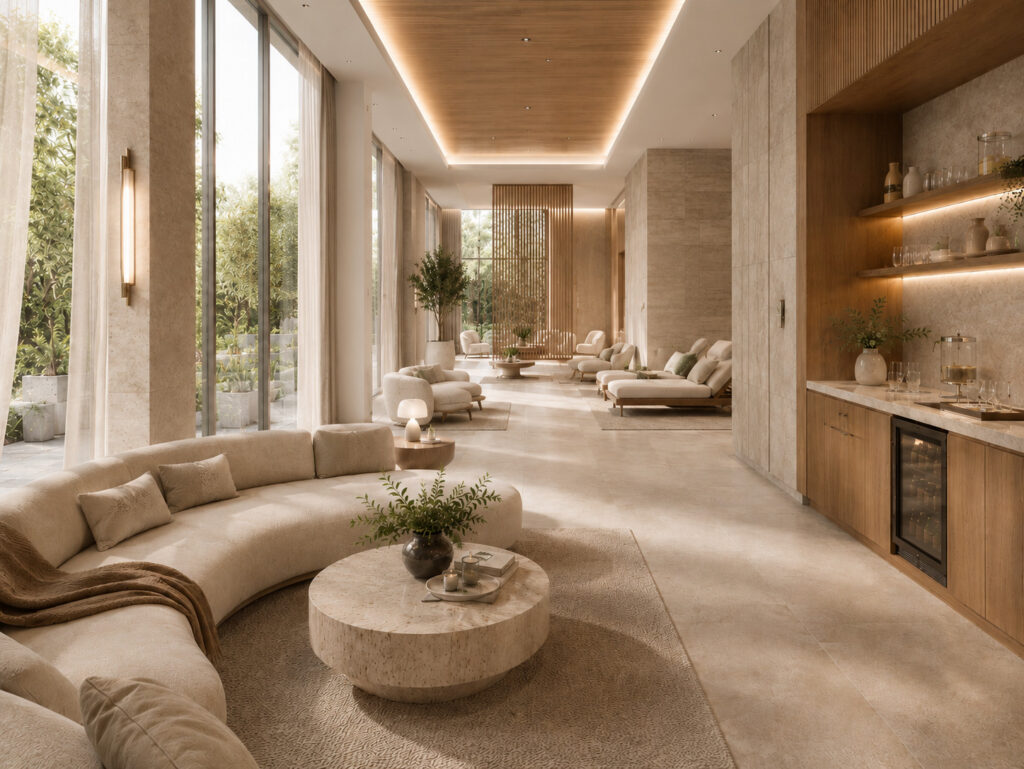
We Experience Spaces Before We Evaluate Them
Think about the last time you entered an unfamiliar place. Within moments, you probably had a sense of how it felt. You may have felt welcomed, relaxed, energized, or uncertain before you consciously noticed the architecture or interior design.
Healthcare environments work the same way.
Patients often arrive carrying stress, uncertainty, or vulnerability. As they enter the practice, their nervous system begins interpreting countless environmental cues. The brain is constantly assessing whether the environment feels safe and supportive. This process happens instinctively, before people have time to consciously evaluate what they’re seeing.
That first impression influences everything that follows. It shapes how comfortable patients feel asking questions, how present they are during conversations, and how likely they are to recommend the practice after they leave.
When you understand that the environment is shaping the patient experience, design becomes about more than solving practical challenges. It becomes an opportunity to intentionally shape how people feel from the moment they arrive.
Great Design Begins With Better Questions
Many healthcare projects begin by solving practical challenges. Teams discuss workflow, room counts, equipment placement, and operational efficiency. Those conversations are essential, but they represent only part of the design process.
The most memorable healthcare environments begin with another question.
How do we want people to feel when they walk through our doors?
That question shifts the entire design process. Instead of evaluating decisions solely by efficiency or aesthetics, leaders begin asking whether each choice reinforces the experience they want patients to have. The environment is no longer viewed as a backdrop for care. It becomes an extension of the practice’s philosophy.
Does Your Space Reflect Your Philosophy of Care?
Every practice has a philosophy of care.
Some believe healing begins with education. Others prioritize comfort, empowerment, collaboration, or prevention. Those values shape the way providers communicate with patients, make clinical decisions, and define the experience they hope to deliver.
Yet many environments never communicate those same values.
Consider a practice that believes deeply in personalized care. Every patient is given extra time, treatment plans are highly individualized, and providers take pride in building lasting relationships.
Yet patients arrive at a crowded reception desk, aren’t sure where to check in, sit shoulder to shoulder in a noisy waiting room, and spend the first ten minutes wondering what happens next.
The care may be deeply personal, but the experience leading up to it feels anything but.
The strongest healthcare environments remove that disconnect.
They allow the physical environment to reinforce the same philosophy that guides every clinical decision. When the space and the care tell the same story, the patient experience becomes more cohesive, more authentic, and ultimately more memorable.
Designing the Experience Before Care Begins
The environment introduces the practice, reinforces its values, and can help the nervous system settle before care even begins.
When that environment reflects the same philosophy that guides the clinical experience, patients don’t encounter two separate stories. The space, the people, and the care all communicate the same intention.
This level of alignment rarely happens by accident.
It begins with leaders who recognize that architecture is more than the design of a building. It’s an opportunity to make the invisible aspects of care visible. The strongest healthcare environments allow patients to experience the philosophy of care before they ever hear it explained.
Every healthcare environment already has an emotional blueprint.
The opportunity is to ensure it’s one you’ve created intentionally.